
BASOFA

IMPLEMENTATION SERVICES

Practical implementation, integration and optimization support for Microsoft Dynamics 365 environments. 

BASOFA helps organizations implement, extend and improve Microsoft Dynamics 365 environments where finance, supply chain, commerce, Power Platform, Azure integrations and operational workflows need to work together reliably. 

Whether you’re replacing legacy systems, expanding existing Dynamics 365 environments, or implementing new business capabilities, BASOFA provides expert consulting, implementation, integrations, migration, testing, and ongoing optimization.

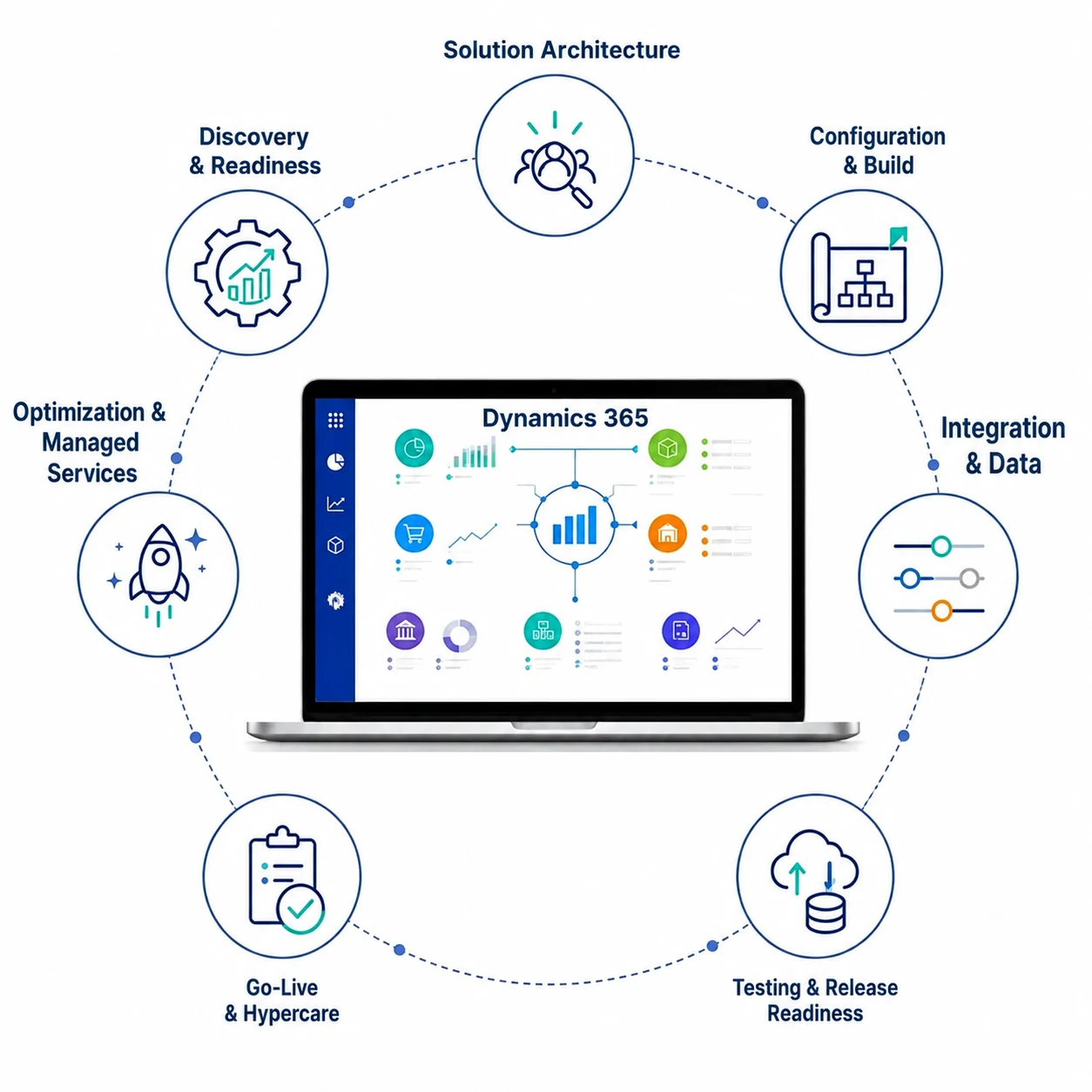
Illustration of a digital solution implementation lifecycle with a laptop dashboard at the center, surrounded by seven phases: Discovery & Readiness, Solution Architecture, Configuration & Build, Integration & Data, Testing & Release Readiness, Go-Live & Hypercare, and Optimization & Managed Services.
THE CHALLENGE

Dynamics 365 implementation for operational complexity

1. Many Dynamics 365 projects are not difficult because of one module alone. The challenge is usually the connection between finance, inventory, order management, commerce, payments, reporting, integrations and day-to-day business processes. 

2. BASOFA is best suited to projects where Dynamics 365 needs to operate as part of a wider business system, not as an isolated application. This includes implementation, extension, integration, stabilization and improvement work across live operational environments. 

Where BASOFA is strongest

BASOFA is especially relevant for Dynamics 365 projects where several operational areas need to work together, rather than where the requirement is limited to simple system configuration.

1. Commerce, Finance and Supply Chain processes need to be connected. 

2. Inventory, Order fulfillment, Pricing, Payments and Reporting need more reliable data flow. 

3. B2B ordering, Customer Portals or Distributor workflows are creating manual work for sales and service teams. 

4. Finance teams need better reconciliation, Settlement visibility and Auditability inside Dynamics 365. 

5. Existing systems or third-party platforms need to be integrated without making the ERP landscape harder to control. 

6. Internal teams need implementation support, specialist Dynamics 365 expertise or extra delivery capacity. 

Business Challenges We Help Solve

Fragmented systems and data silos

Challenge: Many organizations rely on disconnected ERP systems, CRM applications, e-commerce platforms, warehouse management systems and legacy software. 

How BASOFA helps: BASOFA integrates Dynamics 365 with commerce, warehouse, finance, payment, legacy and third-party systems so data flows more consistently across the business. 

Legacy ERP modernization

Challenge: Older systems often increase support cost, limit scalability and make it harder to introduce modern reporting, automation and cloud services. 

How BASOFA helps: BASOFA supports phased movement from legacy systems into Dynamics 365 while preserving business continuity and controlling implementation risk. 

Omnichannel commerce complexity

Challenge: Retailers and distributors often need stores, e-commerce, marketplaces, POS, payments, inventory and fulfillment workflows to operate as one process. 

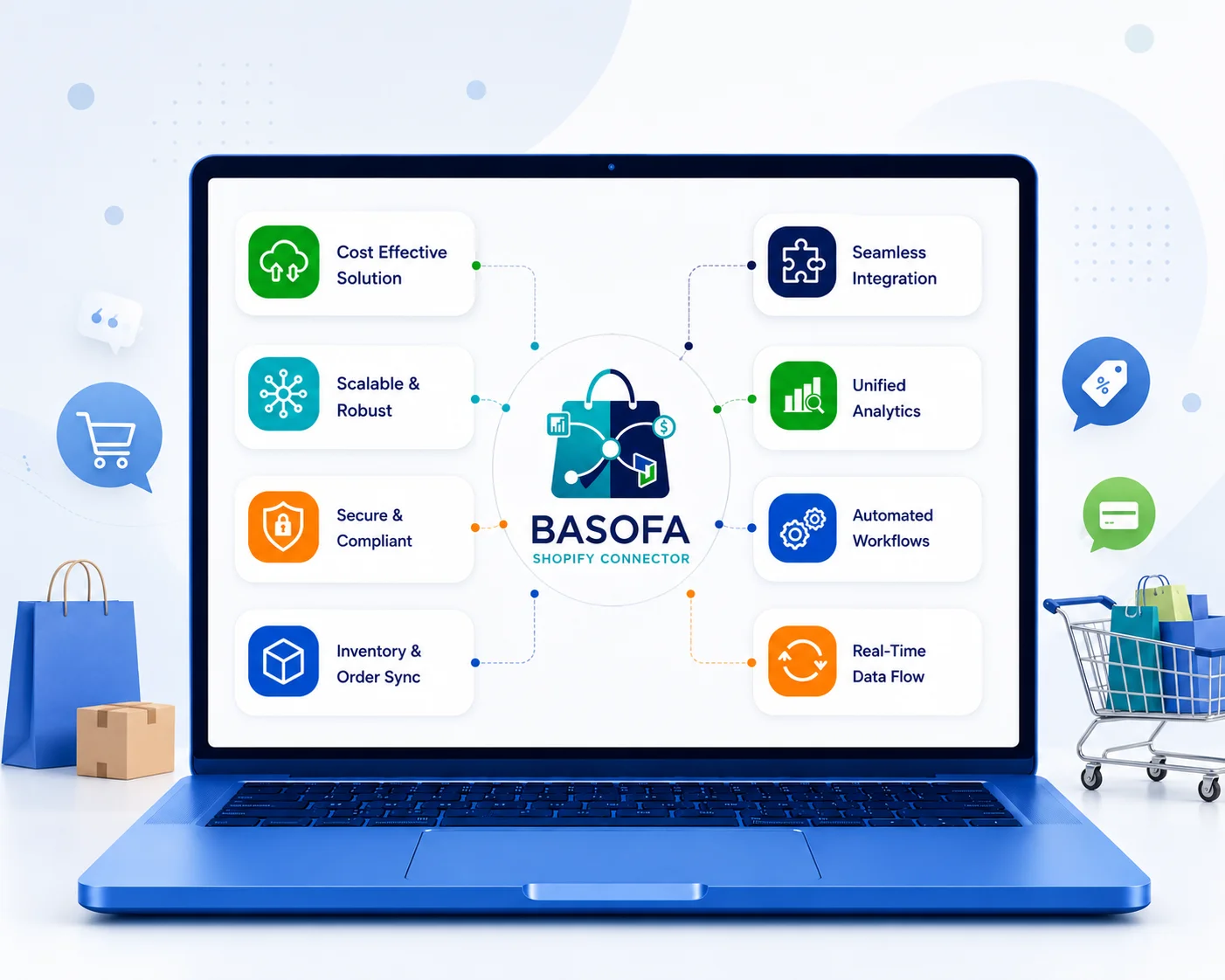
How BASOFA helps: BASOFA connects these workflows using Dynamics 365 Commerce, BASOFA accelerators and related integrations. 

Inventory visibility issues

Challenge: Poor inventory visibility creates stock discrepancies, order delays, fulfillment problems and customer service issues. 

How BASOFA helps: BASOFA improves real-time or near-real-time visibility across stores, warehouses, fulfillment centers and digital channels, depending on the integration architecture. 

Financial reconciliation and control

Challenge: Manual reconciliation across orders, invoices, payments, settlements and postings slows finance teams and weakens auditability. 

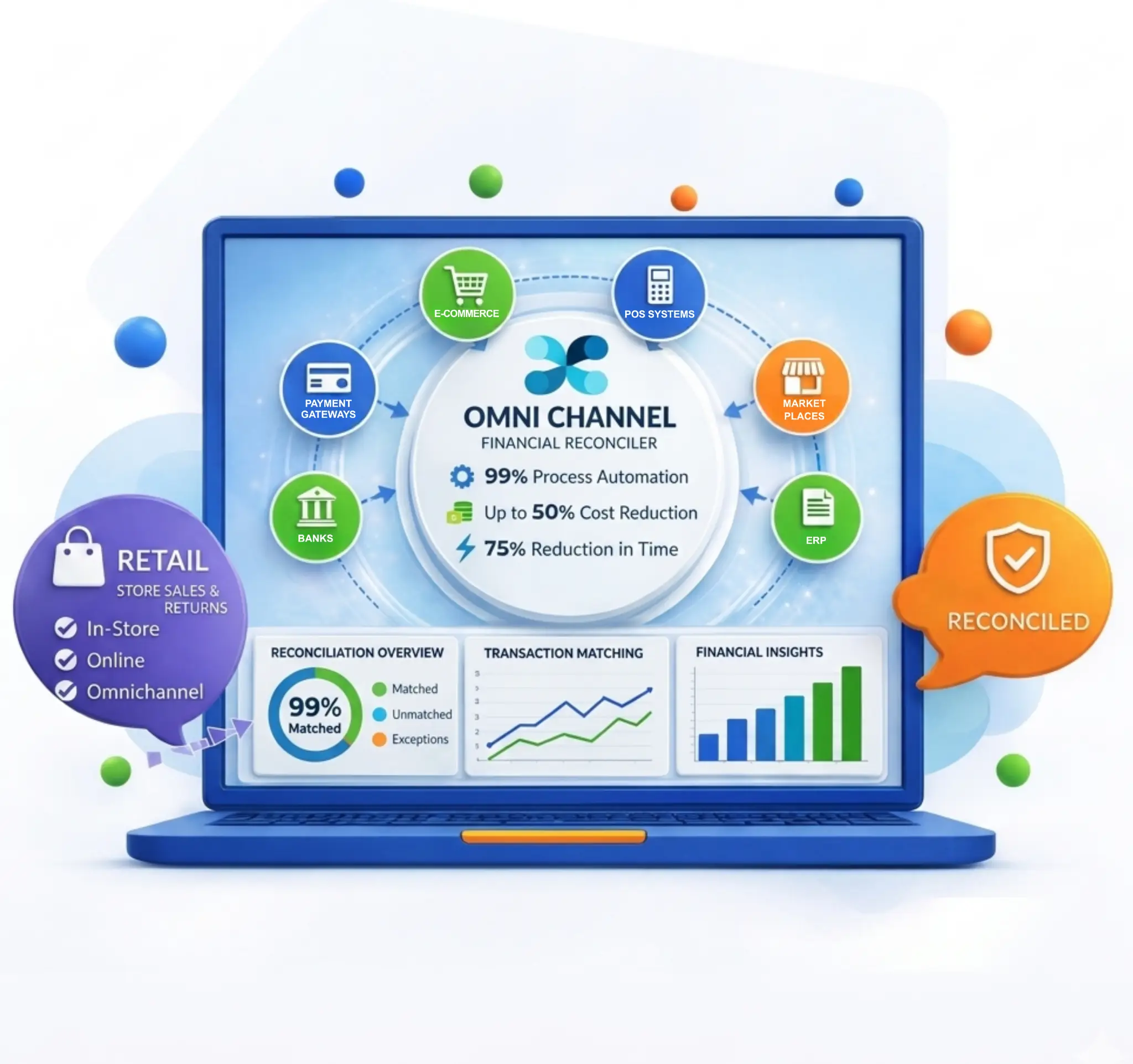
How BASOFA helps: BASOFA uses D365 Finance and OCFR to automate reconciliation, reduce manual matching and improve financial control. 

Manual workflows

Challenge: Repeated data entry, spreadsheet-based processes and email-driven workflows reduce speed and create avoidable errors. 

How BASOFA helps: BASOFA uses Power Platform, D365 extensions and integration services to reduce manual effort and improve operational visibility. 

User adoption and change

Challenge: ERP value is limited when users do not understand new processes or cannot operate confidently in the new environment. 

How BASOFA helps: BASOFA provides role-based training, administrator training, UAT support, knowledge transfer and practical adoption guidance. 

Implementation lifecycle

BASOFA uses a structured, phase-based implementation approach. Focused Dynamics 365 implementation scopes can start from 6 months, depending on scope, data readiness, integration complexity, testing requirements and customer availability. The delivery model is designed to reduce risk and move efficiently from assessment to go-live.

Shape

Discovery and readiness

Understand the business process, technical landscape and implementation risks. Typical activities include process review, current-state assessment, stakeholder input, readiness checks and scope definition.

Solution architecture

Define how the target Dynamics 365 environment should work. Typical activities include future-state design, architecture decisions, integration strategy, data approach, environment planning and governance model.

Configuration and build

Configure standard Dynamics 365 capabilities and build required extensions. Typical activities include D365 configuration, customizations, Power Platform automation, reports, workflows and business process extensions.

Integration and data

Connect systems and prepare reliable data movement. Typical activities include API design, Azure integrations, data migration, master data review, synchronization and validation.

Testing and release readiness

Validate the solution before business cutover. Typical activities include functional testing, integration testing, regression testing, UAT support, performance review and release planning.

Go-live and hypercare

Support the transition into live operation. Typical activities include deployment planning, cutover support, issue triage, user support and stabilization after launch.

Optimization and managed services

Improve the environment after implementation. Typical activities include performance tuning, release support, enhancements, recurring issue review and continuous improvement.

Shape

Why Enterprises Choose BASOFA

Accelerated Delivery, Business-Focused

We combine Dynamics Implementation Consulting expertise with proven, high-velocity delivery methodologies to ensure technology investments generate measurable business outcomes on an efficient 6-12 month timeline.

Microsoft Ecosystem Expertise

Our expertise spans Microsoft Dynamics 365, Azure, Power Platform, AI solutions, enterprise integrations, and cloud modernization initiatives.

Scalable & Future-Ready Solutions

We design implementation architectures that support long-term scalability, operational efficiency, governance, and business growth.

Industry-Focused Delivery

We support organizations across retail, manufacturing, distribution, logistics, commerce, professional services, and supply chain industries.
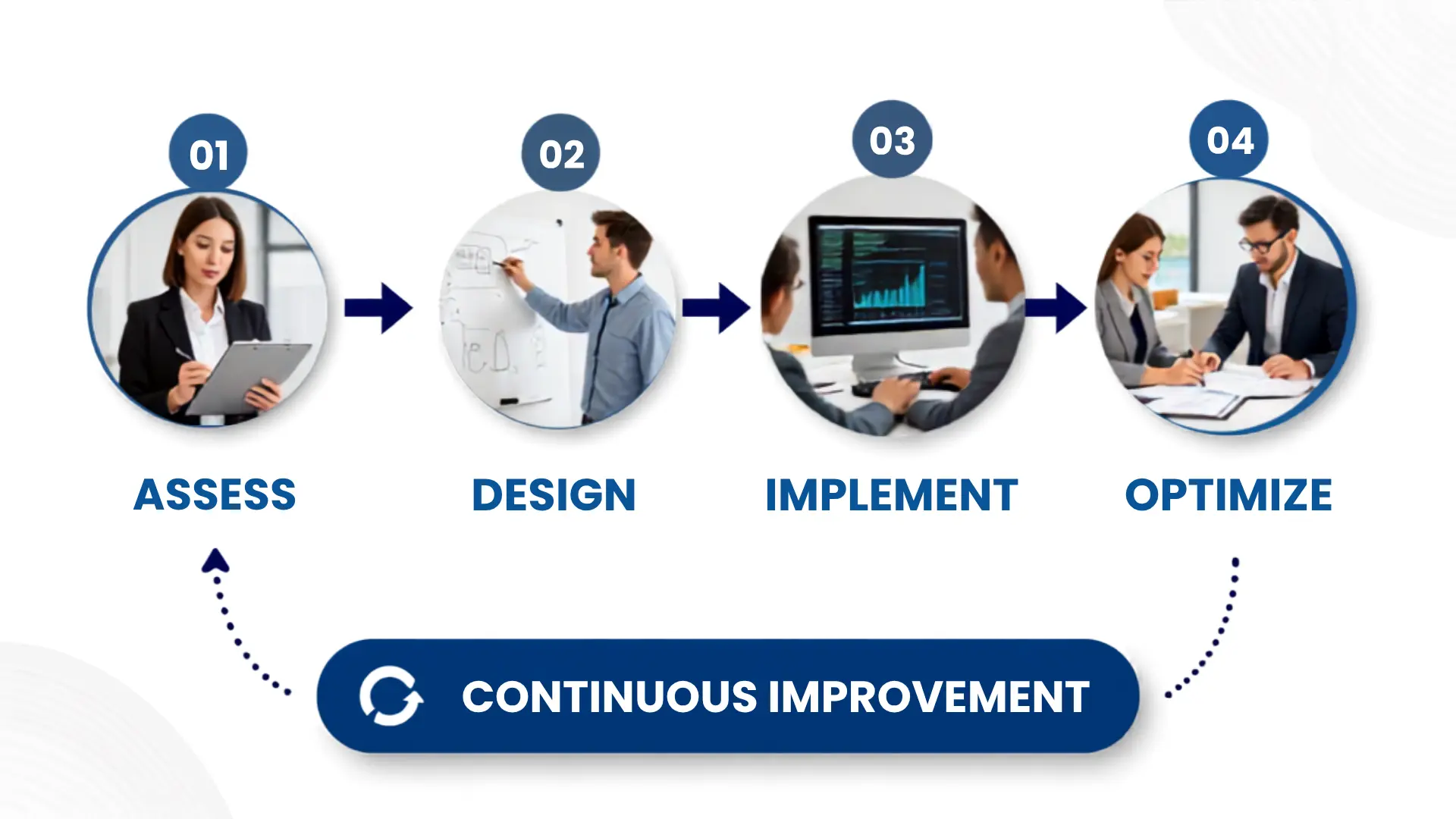
OUR IMPLEMENTATION APPROACH

HOW IT WORKS?

Industries BASOFA supports

BASOFA’s implementation work is most relevant to organizations with operational complexity across channels, systems, inventory, finance or order management.

BASOFA Accelerators

Our implementation services are enhanced by BASOFA's Microsoft Dynamics 365-native accelerators that reduce implementation effort and accelerate business value.

Frequently Asked Questions

Got Questions? We've Got You Covered!

Contact Us

Why should we choose Dynamics 365 over our existing ERP?

Dynamics 365 unifies finance, operations, supply chain, commerce, and analytics on a single cloud platform. It improves business visibility, automates processes, and integrates seamlessly with Microsoft 365, Azure, and Power Platform.

Do you support enterprise-scale implementations?

Yes. BASOFA supports global and enterprise implementations with scalable delivery frameworks and governance models.

Which Dynamics 365 applications does BASOFA focus on?

BASOFA’s strongest focus is Dynamics 365 Finance, Supply Chain Management and Commerce, supported by Power Platform, Azure Integration Services and Azure DevOps.

Does BASOFA support accelerated implementation timelines?

Yes, where the scope is focused and the customer environment is ready. BASOFA supports accelerated, phased delivery, with focused Dynamics 365 implementation scopes starting from 6 months. Timelines depend on data readiness, integrations, testing requirements, business availability and overall project complexity.

Does BASOFA support AI and automation?

Where relevant, BASOFA can support Power Platform automation, Copilot-related use cases, reporting and selected AI-enabled process improvements. These should be tied to clear business processes rather than treated as standalone technology projects.

Can BASOFA support Microsoft partners?

Yes. BASOFA works with partners that need extra D365 delivery capacity, specialist skills, support for implementation workstreams or help filling project gaps without building permanent headcount.

What are the biggest reasons ERP implementations fail?

The most common challenges are poor planning, excessive customization, weak data quality, and limited user adoption. Our proven methodology addresses these risks from the start.

How long does a Dynamics 365 implementation take?

Project timelines depend on business complexity, integrations, and customization. Most implementations range from 6 to 12 months, with phased deployments helping accelerate business value.

How do you reduce implementation risk?

We follow Microsoft's Success by Design methodology, emphasizing fit-to-standard, solution governance, automated testing, and structured project delivery to reduce risk and improve outcomes.

Can Dynamics 365 integrate with our existing systems?

Yes. Dynamics 365 integrates with ERP, CRM, eCommerce, WMS, banking, and third-party applications using APIs, Azure Integration Services, Dataverse, and Power Platform.

How much customization is recommended?

We recommend a configuration-first approach and customize only where it delivers measurable business value. This reduces upgrade effort, implementation cost, and long-term maintenance.

How do you migrate data from legacy systems?

We follow a structured migration approach that includes data assessment, cleansing, validation, multiple mock migrations, and production cutover to ensure a smooth transition.

Can historical data be migrated?

Yes. Depending on your requirements, we can migrate master data, open transactions, historical transactions, or archive legacy data for reporting and compliance.

How do you minimize business disruption during go-live?

We use detailed cutover planning, production readiness checks, and hypercare support to ensure a smooth transition with minimal business interruption.

How do you ensure user adoption?

We provide role-based training, user acceptance testing (UAT), documentation, and post-go-live support to help users confidently adopt the new system.

Can Dynamics 365 be implemented in phases?

Absolutely. Many organizations begin with Finance or Supply Chain and expand to Commerce, Manufacturing, CRM, or AI capabilities as business needs evolve.

Does Dynamics 365 support multiple companies and countries?

Yes. Dynamics 365 supports multi-company, multi-currency, multi-language, and global regulatory requirements, making it ideal for growing and multinational businesses.

What support do you provide after implementation?

We offer Application Managed Services (AMS), performance optimization, release management, user support, and continuous improvement to maximize your Dynamics 365 investment.

How do you manage Microsoft updates?

We use DevOps, automated testing, and release validation to ensure Microsoft updates are deployed smoothly without disrupting business operations.

Can you upgrade Dynamics AX or legacy ERP systems?

Yes. We help organizations modernize from Dynamics AX and other legacy ERP platforms through cloud migration, data migration, code modernization, and process optimization.

How do you ensure the solution can scale as our business grows?

We design scalable, cloud-native solutions using Microsoft best practices, enabling your Dynamics 365 platform to grow with your business without major rework.